
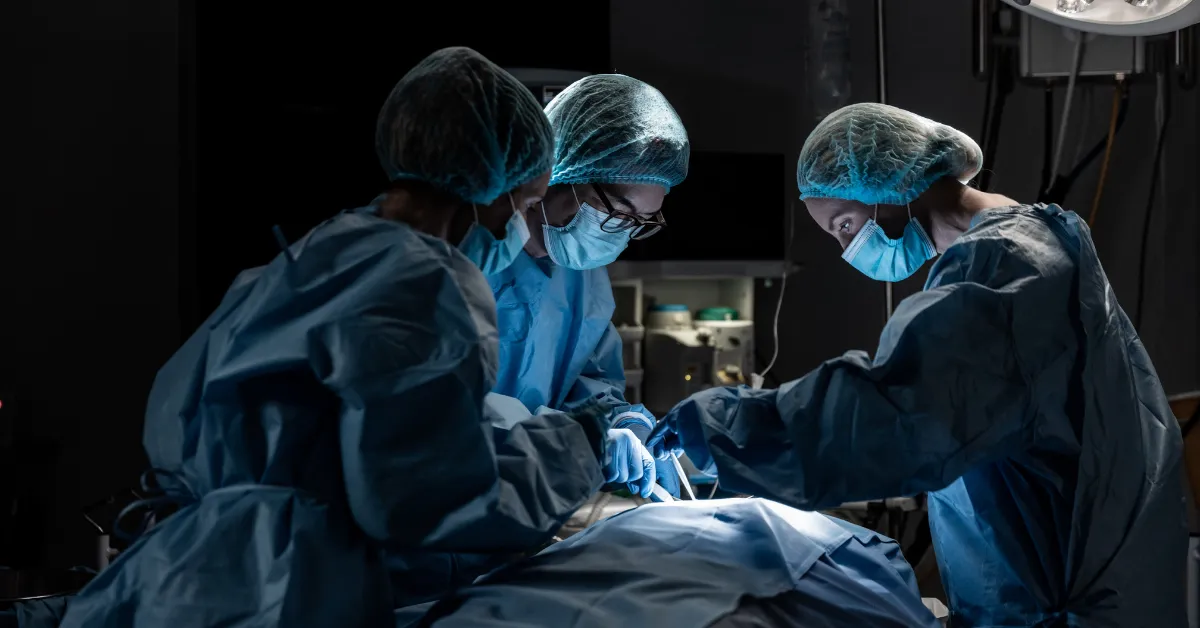
At our General & Laparoscopic Surgery department, we specialize in both traditional and minimally invasive surgical techniques, providing patients with effective treatments and fast recovery times. Our experienced surgeons are dedicated to offering the highest quality care, tailored to meet the unique needs of every individual.
Whether you require routine surgery, complex procedures, or advanced laparoscopic techniques, we are committed to delivering the best outcomes with the least disruption to your life. Our approach combines modern technology, skilled professionals, and compassionate care to ensure that you receive the best possible treatment.
Laparoscopic Surgery, also known as minimally invasive surgery, is a modern surgical technique that uses small incisions and specialized instruments to perform operations. Instead of making large incisions, laparoscopic procedures are carried out with small incisions, through which a tiny camera (laparoscope) and surgical tools are inserted. The camera allows surgeons to view the inside of the body on a monitor, helping them perform procedures with precision and minimal disruption to the surrounding tissues.
The benefits of laparoscopic surgery include:
We provide a wide range of surgical services, both traditional and laparoscopic, designed to treat a variety of conditions. Some of the most common procedures we perform include:
The removal of the gallbladder is one of the most common laparoscopic procedures. Laparoscopic cholecystectomy is a minimally invasive method to treat gallstones and gallbladder disease. It involves making small incisions and using a camera to remove the gallbladder, leading to a quicker recovery and less post-operative pain compared to traditional surgery.
Appendicitis is a condition where the appendix becomes inflamed and infected, often requiring removal through surgery. Laparoscopic appendectomy involves small incisions and faster recovery, reducing hospital stays and improving patient comfort.
Hernia surgery is necessary when an internal organ pushes through a weak spot in the abdominal wall. Laparoscopic hernia repair is performed with small incisions, making recovery faster and less painful than traditional open surgery.
Our surgeons are skilled in performing both minimally invasive and open colorectal surgeries for conditions like colon cancer, Crohn’s disease, diverticulitis, and inflammatory bowel disease (IBD). Laparoscopic colorectal surgery involves smaller incisions, shorter recovery times, and a quicker return to normal activities.
For patients struggling with obesity, laparoscopic bariatric surgery, such as gastric bypass or sleeve gastrectomy, is a viable option. These procedures help in significant weight loss and are performed with minimally invasive techniques to ensure quick recovery and minimal discomfort.
Laparoscopic surgery is frequently used to treat gastrointestinal issues, including diseases of the stomach, esophagus, and intestines. Procedures like gastric bypass, fundoplication, and colectomy are performed using minimally invasive methods that allow for faster healing.
Conditions like thyroid nodules or adrenal gland disorders can often be treated with laparoscopic surgery. These surgeries are less invasive, leading to reduced recovery times and less risk of complications.
Our General & Laparoscopic Surgery department is dedicated to providing the highest standard of care. Here’s why you should choose us:
If you or a loved one requires surgery, trust our skilled surgeons and advanced technology to provide the best possible care. Contact us today to schedule a consultation and take the first step toward a healthier, pain-free future.
Laparoscopic surgery involves smaller incisions, which result in less pain, quicker recovery, and reduced scarring. Patients typically experience shorter hospital stays and can return to daily activities faster. The precision of the camera allows for less disruption to surrounding tissues, which leads to a more efficient recovery process with fewer complications.
Recovery time after laparoscopic surgery varies depending on the procedure. However, most patients can return to regular activities within a few days to a week. Minimal incisions and less trauma to the body mean that healing is quicker, with reduced pain and a faster return to normal routines compared to traditional surgery.
Laparoscopic surgery is generally safe, but like any surgical procedure, it carries some risks. These may include infection, bleeding, injury to nearby organs, or reactions to anesthesia. However, complications are rare, and our skilled surgeons take every precaution to minimize risks and ensure the best outcomes for our patients.
Please feel welcome to contact our friendly reception staff with any general or medical enquiry call us.
24x7
Meet our experienced team of anaesthesiologists dedicated to your safety and comfort
Take control of your health with the latest in minimally invasive care.