
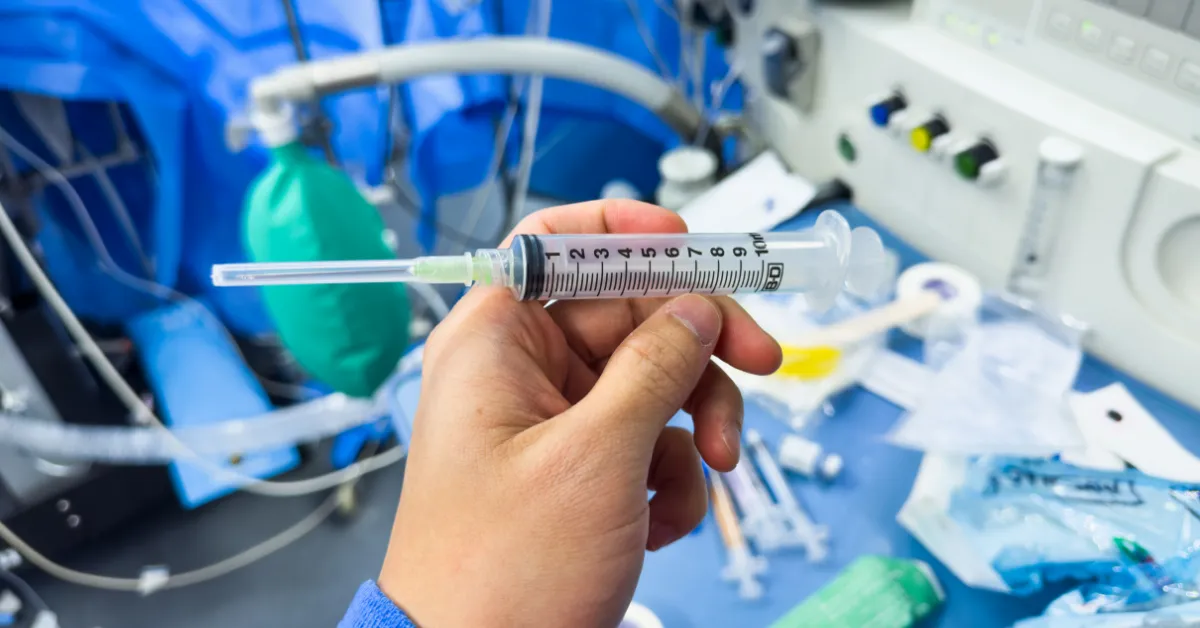
Behind every successful surgery stands an unseen hero — the anesthesiologist.
They don’t just “put you to sleep”; they protect your life during surgery, manage pain, and ensure your body stays stable through every second of the procedure.
Anesthesiology is the backbone of safe surgery — balancing science, vigilance, and care.
At our Department of Anesthesiology, patient comfort, safety, and recovery are the top priorities. We combine modern technology with expert monitoring to make sure every patient — from infants to seniors — experiences pain-free, anxiety-free medical care.
Anesthesiology is the branch of medicine focused on pain control, surgical anesthesia, and perioperative care — before, during, and after surgery.
Our anesthesiologists are specially trained physicians who evaluate each patient’s health, plan anesthesia type, and monitor vital signs continuously during medical or surgical procedures.
They handle more than “putting patients to sleep.” They manage airways, oxygen levels, heart rate, fluid balance, and pain, ensuring every organ remains protected throughout the operation.
Depending on the nature of the surgery and patient condition, our experts offer various anesthesia techniques:
Each anesthesia plan is custom-tailored, ensuring maximum comfort and minimal side effects.
Before every surgery, patients undergo a detailed pre-anesthetic assessment.
This includes reviewing medical history, allergies, medications, heart and lung health, and prior anesthesia experience.
The goal is to identify potential risks and develop a personalized anesthesia strategy that minimizes complications.
Our team also educates patients about what to expect — removing fear and confusion before the procedure.
During surgery, anesthesiologists stay by your side — monitoring every heartbeat, breath, and response.
Using advanced equipment such as ECG monitors, pulse oximeters, and capnographs, they adjust anesthesia depth, fluid balance, and pain control in real-time.
They coordinate closely with the surgical team to ensure absolute stability and precision throughout the operation.
Our job doesn’t end when surgery does.
Pain management begins immediately after — ensuring smooth recovery, stable vital signs, and early mobility.
We use multimodal pain relief techniques, combining medications, nerve blocks, and non-opioid therapies to minimize discomfort and reduce dependency on strong painkillers.
Special pain management units also support patients with chronic pain syndromes, cancer pain, and trauma recovery.
Anesthesiologists are also key players in ICU management and emergency response.
Their expertise in airway management, ventilation, and life-support systems makes them integral to trauma care, resuscitation, and post-surgical recovery.
They help stabilize critically ill patients and support complex procedures like mechanical ventilation, sedation, and pain control for long-term care.
We use next-generation anesthesia workstations equipped with:
These tools enhance precision, reduce human error, and ensure the highest safety standards for every patient.
Anesthesiology extends beyond the OT.
It’s about giving patients confidence, calm, and comfort — turning surgery from a fearful experience into a safe, controlled process.
From childbirth to heart transplants, anesthesiologists ensure one thing remains constant — you’re in safe hands, every breath of the way.
Yes, modern anesthesia is extremely safe when administered by trained anesthesiologists. Pre-anesthetic evaluation helps identify risk factors like allergies or heart problems. Continuous monitoring ensures your vital signs remain stable throughout surgery, minimizing complications and ensuring safety for all age groups.
It depends on the type and dose used. Most anesthetic drugs wear off within a few hours after surgery. Some mild drowsiness or fatigue can remain briefly, but full recovery usually happens the same day. Your anesthesiologist ensures a smooth and safe awakening process.
You won’t feel pain during the procedure. After surgery, anesthesiologists manage post-operative pain through medications, nerve blocks, or targeted therapy. The goal is complete comfort while minimizing side effects. Most patients report little to no pain in the recovery phase.
Please feel welcome to contact our friendly reception staff with any general or medical enquiry call us.
24x7
Meet our experienced team of anaesthesiologists dedicated to your safety and comfort
Take control of your health with the latest in minimally invasive care.